Conference Photography Tips for Standout Event Coverage
Conferences move fast, and your photos need to keep up. Conference photography is about capturing speakers, sponsors, attendees, and the “feel” of the room in a way your marketing team can use for recaps, social posts, and next year’s promotions. This guide covers conference photography tips that help you plan the right shots, deal with tricky lighting, and walk away with images that look polished, not accidental.
Quick checklist of shots you’ll be glad you got:
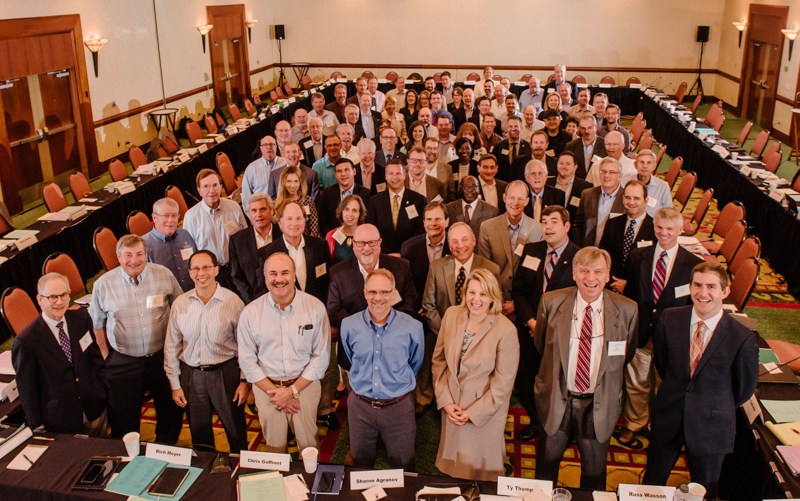
- One wide shot of the room before it fills up
- Keynote speakers with clean backgrounds (logo or stage branding)
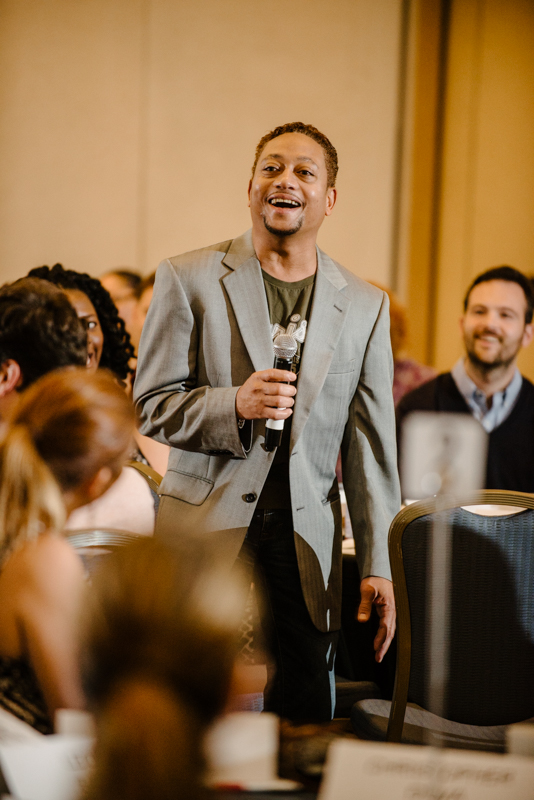
- Audience reactions (laughs, applause, note-taking)
- Sponsor booths with real foot traffic
- Networking candids (handshakes, small groups, genuine smiles)
- Detail shots: badges, signage, programs, food, swag
Conference Photography Basics
Great conference photos do more than just document; they bring your event to life! From powerful keynote speeches to those candid networking moments, each shot is a chance to showcase the energy and professionalism of your gathering.
Key Moments to Capture at a Conference
If the event has sponsors, treat sponsor signage and booth activity like a must-have deliverable, not a bonus shot.
- Keynote Excitement: Snap those “aha!” moments as speakers deliver game-changing insights.
- Engaged Audiences: Show off your attentive crowd, proving your event’s value.
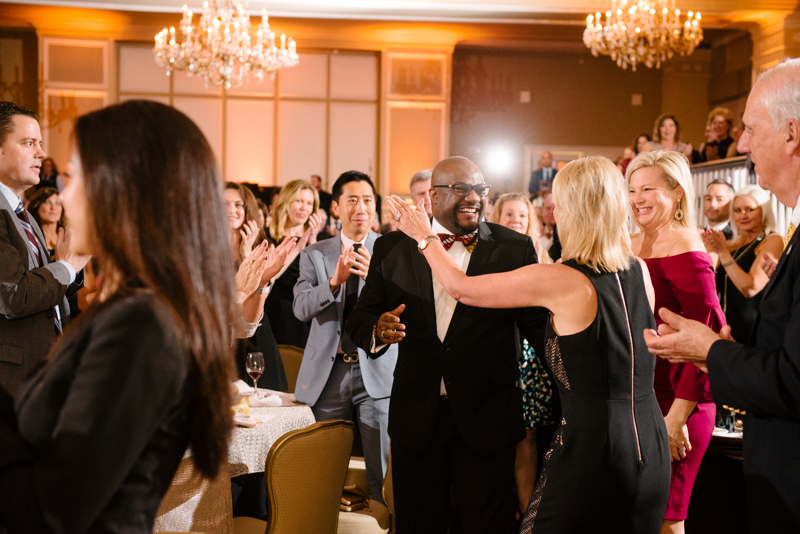
- Networking Gold: Catch those handshakes and smiles that make conferences truly special.
Common Conference Photo Challenges
Conference settings often come with challenges like dim lighting, expansive venues, and crowded spaces. These issues can be mitigated by using fast lenses, external flash units, and wide-angle lenses for group shots. Preparation and adaptability are key to overcoming these hurdles.
Preparing for a Conference Shoot
Preparation is key to delivering high-quality conference photos. From understanding the event’s unique requirements to ensuring you have the right gear, these steps will set you up for a smooth and successful shoot.
Research and Communication with Event Organizers
Access saves shoots. Ask where you can stand during keynotes, if flash is allowed near the stage, and who can grant quick approval if a VIP requests “no photos.” If the conference uses badges, get the right credential so you’re not stuck behind the last row all day.
Connect deeply with event organizers to understand:
- Event schedule and key moments
- Venue layout and lighting conditions
- Specific photographic expectations
- Preferred shooting style and restrictions
Conference Gear Checklist
Pack strategically with these essentials:
- Multiple camera bodies
- Versatile lens collection (wide-angle and prime lenses)
- External flash units
- Extra batteries and memory cards
- Comfortable, professional attire that helps you blend in
Conference Photography Shot List (Quick Reference)
Stage + speakers
- Keynote speaker wide (shows stage + screens)
- Keynote tight (clean framing, sharp eyes, no awkward mic angles)
- Panel wide (all speakers) + a clean shot of each panelist
- Audience applause and reactions
Sponsors + signage
- Sponsor wall step-and-repeat (a few clean posed shots)
- Sponsor banners in context (not crooked, not blocked)
- Booth interactions (hands-on demos, real engagement)
Attendee experience + networking
- Registration check-in (lines moving, happy faces)
- Networking groups (3–6 people works well)
- Breakout sessions (speaker + attendee engagement)
- Candid moments: laughs, conversations, “in the zone” note-taking
Venue + details + “before the doors open”
- Exterior or entrance signage (establishing shot)
- Room wide shot before attendees enter
- Name badges, programs, branded swag, food, table settings
Capturing impactful conference photos goes beyond just snapping pictures; it’s about creating visually engaging images that reflect the energy and professionalism of the event. These tips will help you enhance the quality and creativity of your work.
Tips to Capture Better Conference Photos on Site
Lighting in Ballrooms, Stages, and Expo Halls
Conference venues often have challenging lighting conditions. Make the best of available light by positioning yourself strategically or use external lighting without being intrusive. For darker settings, adjust your camera’s ISO and aperture settings to capture sharp images.
Take More Frames
In fast-paced environments, capturing multiple shots of each moment increases the likelihood of getting the perfect image. Having a variety of options also allows you to select the best compositions and expressions during post-processing.
Composition Techniques for Dynamic Shots
Strong composition can elevate your photos from good to great. Frame speakers and attendees in a way that tells a story and includes elements like audience reactions and branded backdrops. Use different perspectives, such as wide shots for context and close-ups for detail, to create variety.
Post-Processing for Consistent Delivery
Editing is a critical part of delivering high-quality images. Use software like Lightroom or Photoshop to enhance colors, adjust lighting, and crop images for better framing. Aim for consistency in style to maintain a polished look across your portfolio.
Unique Considerations for Conference Photography
To stand out in conference photography, it’s essential to incorporate unique elements that cater to client branding and marketing needs. These considerations will help you deliver photos that go beyond expectations.
Incorporating Branding into Photos
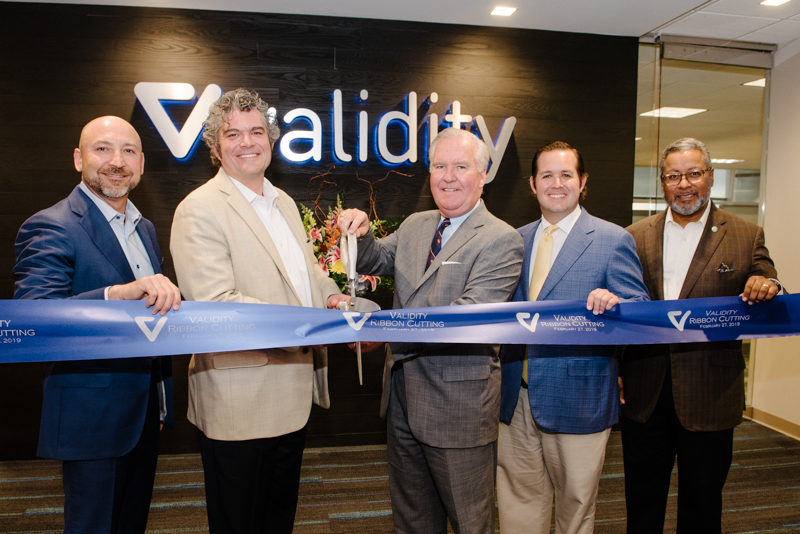
Highlighting event branding is crucial for client satisfaction. Focus on capturing company logos, sponsor banners, and branded materials prominently. These elements reinforce the client’s brand identity and add value to your work.
Engaging Visuals for Marketing
Clients often use conference photos for marketing purposes. Deliver visually striking images that showcase energy and engagement. Capture dynamic shots of speakers, attendees, and interactive moments to create content that resonates with audiences.
Bring Conferences to Life with Photography That Captures Energy & Brand
Conference photography is a blend of technical skill and creative vision. By preparing thoroughly, understanding the unique challenges of conferences, and focusing on key moments, you can deliver exceptional results that capture the essence of any event. Whether you’re photographing a small seminar or a large-scale convention, these tips will help you elevate your work and meet client expectations.
FAQ: Conference Photography Tips
What should a conference photographer prioritize first?
Keynotes, audience reactions, sponsor branding, and networking candids. Start with the shots that support marketing and sponsor needs, then fill in details and atmosphere.
What camera settings work well for conference event photography?
A fast shutter speed for speakers and candids, a wider aperture in dim rooms, and a flexible ISO that matches the venue lighting. Shoot in RAW if your workflow supports it.
Is flash allowed at conferences
Flash usage depends on the venue and the stage rules. Many events prefer no flash during keynotes, while receptions and sponsor areas often allow it.
How many photos should a conference deliver?
The amount of photos expected for conferences varies by event length and number of sessions. A half-day event needs fewer images than a multi-day conference with breakout rooms and sponsor booths.
What photos do sponsors expect?
Sponsors typically expect clear branding plus proof of engagement: booth interactions, demos, crowds, and branded signage in clean compositions.